President
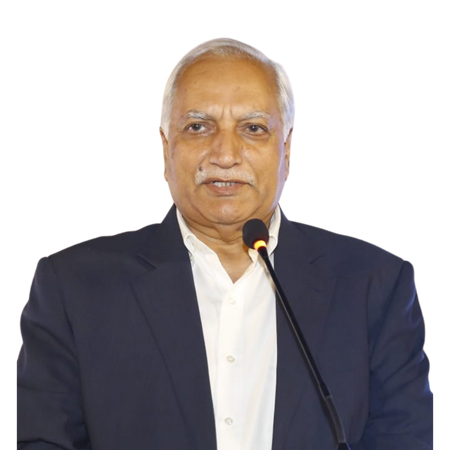
Secretary

Trustee

Trustee

Trustee

Trustee

Trustee
The academic leadership at Ch Rehmat Ali School is dedicated to provide a structured, supportive, and progressive learning environment for every student. School leaders partner with teachers, coordinators, administrative staff, students, and parents to maintain educational standards and promote continuous improvement. They are not merely responsible for day-to-day operations. They also help to define teaching techniques, track student success, promote discipline, and help each element of the school work towards similar academic goals.
The school believes that good leadership begins with clear roles, open communication, and a strong commitment to student development. Senior leaders ensure that teachers lead and that what happens in classrooms connects to the school’s educational values.
The leadership model is based on academic planning and practical support. We equip teachers to deliver lessons, assess students, manage the classroom, and develop transferable skills. It means more consistency throughout the pre-school, girls’ school, boys’ school, and junior sections.
The School leadership team encourages teamwork. Principals, Headteachers, coordinators, and teaching staff meet regularly to identify academic needs and to improve learning practices. Sharing this strategy helps the school to respond to issues in a timely and responsible way.
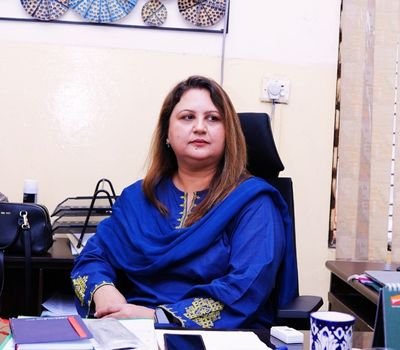
Principal
The principal sets the general academic direction and helps to ensure a common standard throughout the school. Campus heads oversee the day-to-day operations of their respective departments and assist teachers in meeting curricular and student development goals.
They monitor classroom performance, supervise tests, design teaching methods, encourage student discipline, and call parents when support is needed. “They also help make sure that school policies are applied fairly and consistently.
Academic leadership: Senior staff members bridge the gap between the school’s mission and the daily work of instruction. Their counsel helps teachers know what to expect while still providing learners with a stable, regulated learning environment.

Headmistress Pre School

Headmaster Boys School

Headmistress Girls School

Administrative Manager

Admin Incharge

Controller Examination

Office Assistant

Office Assistant

Science Lab Incharge

Cashier (Girls School)

Cashier (Boys School)

Cashier (Preschool)

Front Desk Officer (Girls)

Front Desk Officer (Boys)

Front Desk Officer (Preschool)

Academic Coordinator (Girls)

Academic Coordinator (Boys)

Academic Coordinator (Boys)


Librarian (Girls School)

Librarian (Boys School)
Academic coordinators play a key role in lesson planning, syllabus monitoring, assessment evaluation, and teacher support. These underscore the importance of providing learners with age-appropriate instruction and delivering essential learning outcomes throughout the school year.
Coordinators may also consider notebooks, classroom participation, exam scores and feedback from instructors. Such information may help the school to target areas where kids need extra support.
The school’s education directors encourage teaching methods that enhance understanding rather than memorisation. Students are encouraged to ask questions, discuss, work in teams, and apply knowledge to real-world challenges. This will help develop confidence, communication, creativity, and problem-solving skills.
Strong school management supports all successful academic programs. Administrative staff help handle timetables, student records, examinations, parent interactions, staff coordination, and on-campus operations. Their work enables teachers and academic leaders to concentrate more effectively on learning and student wellness.
School management is about ensuring everything runs smoothly, with clear duties and reliable information. All procedures, from admissions to attendance, from tests to parent queries, should be handled professionally and with respect.
The school management of Ch Rahmat Ali aims to align academic planning with the smooth functioning of day-to-day operations. This coordination helps the different departments to work in concert and minimises delays that can affect instructors, students, or parents.
The success of every school is built around teachers. The leadership team provides support through direction, encouragement of professional responsibility, and opportunities for cooperation.
Support around lesson planning, classroom management, assessment strategies, student engagement, and family communication is available to teachers. More experienced staff can also serve as mentors to new teachers, helping them understand the school’s academic standards and values.
Academic leadership works when teachers feel valued, prepared, and confident in their positions. Regular interaction and material support for teachers might enable school administrators to enhance instructors’ effectiveness and responsiveness to students’ diverse needs.
Student progress is measured by classwork, homework, tests, exams, attendance, involvement, and teacher observation. Academic authorities use this information to judge whether pupils are learning what they are supposed to learn.
If a student is having difficulty, the instructor and coordinator can collaborate to identify the cause of the problem and recommend the right support. Parental participation can also give the student reliable counsel at home and at school.
This kind of tracking is not just for finding low marks. Also, it helps to identify improvement, effort, talent, leadership, and areas of interest. A balanced review gives the school a fuller picture of each learner.
Good character is most valuable when it is linked with academic performance. The school leaders promote discipline, honesty, respect, accountability, teamwork, and compassion.
Students are required to adhere to the school’s rules and regulations, respect teachers and other students, care for the school property, and accept responsibility for their activities. Discipline should be properly administered, with due respect to the age and circumstances of each pupil.
The school is trying to develop transferable skills that students may apply in higher education, employment, family life, and society. Communication, teamwork, decision-making, time management, and problem-solving are key factors of this development.
And parents are vital to children’s intellectual development. School leaders are encouraging families, teachers, and administrative staff to communicate with one another respectfully.
Progress reports, exam results, parent meetings, and direct communication help parents understand their child’s strengths and areas for improvement. Also, parents can provide important information that helps a teacher meet the student’s special requirements.
There is more consistency for students when schools and families work together. Well-defined expectations at home and at school help students take ownership of their education and form positive habits.
This is the answer to maintaining consistent training quality from classroom to classroom and from section to section. Leaders support teachers in understanding: curriculum requirements, assessment methodologies, classroom standards, and procedures for supporting students.
The school has frequent academic reviews that help it identify its strengths and opportunities for development. Such reviews could include, for example, educational progression, examination results, student attendance, teacher comments, and classroom observation.
The information obtained through these processes is used to inform decisions. It also gives school leaders the ability to implement adjustments based on the actual needs of teachers and kids rather than assumptions.
Students are continually confronted with new academic, social, and professional difficulties, and education continues to change. Thus, the institution’s leadership strategy should be flexible enough to accommodate improvement.
Teachers and coordinators are encouraged to reflect on classroom activities, share good practices and learn from academic outcomes. Positive results enable a teaching technique to be adapted for use in other courses. If students struggle, leaders can assess the approach and propose necessary adjustments.
Constant improvement does not entail giving up the school’s ideals. This enables the school to improve its teaching techniques without jeopardising discipline, respect, cost, and community service.
The school aims to prepare the boys not only for tests but also for the obligations that await them at university and in real life. Learners need an understanding of the subject, confidence, communication skills, teamwork, discipline, and good decision-making skills.
School officials endorse this preparation for balanced educational activities. A more comprehensive learning experience can be created by combining classroom instruction, assessment, conversation, projects, co-curricular participation, and character development.
Academic leadership ties these efforts to specific educational goals. This enables intentional student development, in which every learning opportunity contributes to long-term growth.
We continue to be committed.
The idea of academic leadership at Ch Rehmat Ali School is that every student has a right to well-organised instruction, respectful treatment, and a chance for personal development. The leadership of the school is committed to improving the quality of teaching, supporting staff, evaluating student achievement, and developing contact with parents.
The school aims to equip students to face academic, social, and professional challenges in the future through responsible leadership, efficient administration, effective teaching, and well-defined educational values. This commitment creates a learning environment in which learners can acquire knowledge, confidence, discipline, and a sense of responsibility